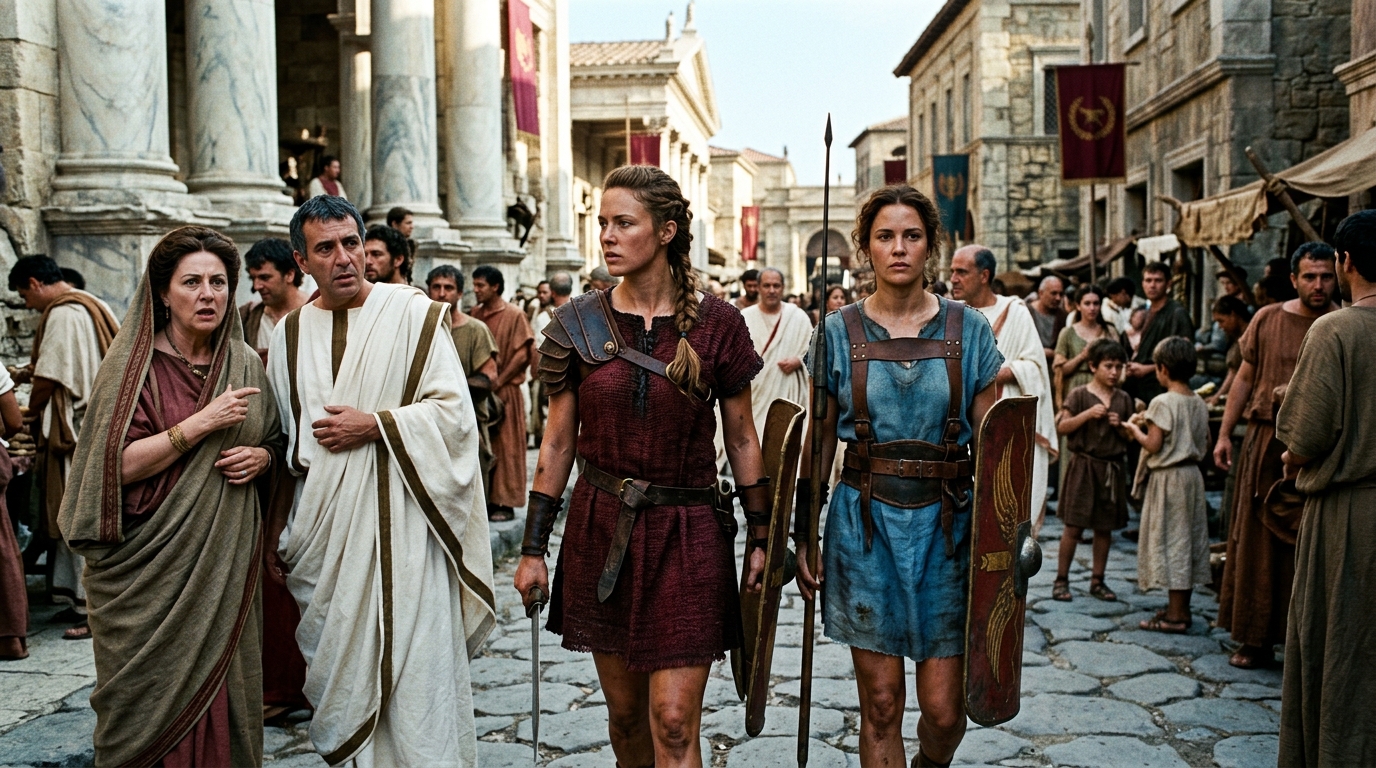
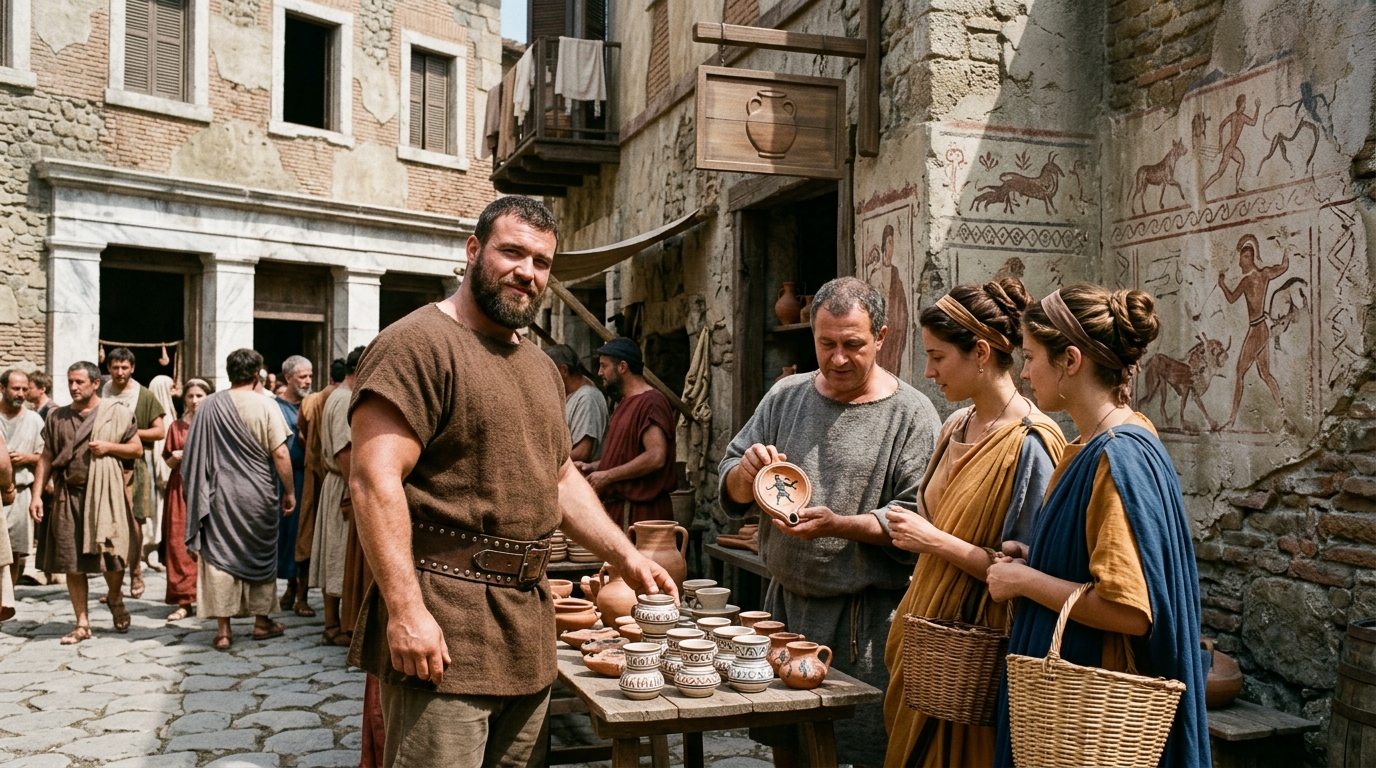
In 430 BCE, a plague ravaged Athens, killing an estimated 100,000 people—nearly one-third of the population. While priests blamed angry gods and prescribed prayers, a small group of Greek physicians took a radically different approach: they observed symptoms, recorded outcomes, and sought natural explanations. This rational methodology would revolutionize medicine forever. Long before modern hospitals and antibiotics, ancient Greek physicians were performing complex surgeries, diagnosing diseases with remarkable accuracy, and establishing ethical medical practices that doctors still follow today. These brilliant healers combined scientific observation with compassionate care, transforming medicine from superstition into a respected science. From the battlefields of the Peloponnesian War to the marble halls of Roman emperors, Greek physicians established the foundations of Western medicine. They dissected human bodies when it was forbidden, challenged centuries of false beliefs, and wrote medical texts that would be studied for 1,500 years. Their innovations ranged from the Hippocratic Oath—still taken by modern physicians—to detailed surgical procedures that wouldn’t be improved upon until the Renaissance. These 15 remarkable physicians didn’t just treat the sick; they created a medical revolution that saved countless lives and established principles that continue to guide healthcare today.
1. Hippocrates of Kos: The Revolutionary Who Made Medicine Scientific

Born around 460 BCE on the Greek island of Kos, Hippocrates transformed medicine from mystical ritual into rational science. Before him, Greek medicine was dominated by temple priests who attributed diseases to divine punishment and prescribed sacrifices rather than treatments. Hippocrates rejected this entirely, insisting that diseases had natural causes and required natural remedies. His radical approach earned him the title “Father of Medicine” that doctors still honor 2,400 years later.
Hippocrates established the first true medical school around 400 BCE, where he taught over 70 students using direct observation rather than religious dogma. His case studies documented specific symptoms, progression patterns, and outcomes for hundreds of patients. The Hippocratic Corpus, a collection of approximately 60 medical texts attributed to him and his students, covered everything from epilepsy (which he correctly identified as a brain disorder, not divine possession) to fracture treatment. One remarkable text described the proper positioning of dislocated shoulders with such precision that orthopedic surgeons recognized the technique in the 1990s.
His most enduring legacy remains the Hippocratic Oath, which established ethical guidelines for physicians. The oath’s principles—do no harm, maintain patient confidentiality, and refuse to participate in euthanasia or abortion—revolutionized the doctor-patient relationship. Written around 400 BCE, the oath is still administered to graduating medical students worldwide, making it perhaps the oldest continuously used ethical code in human history. Hippocrates also pioneered the concept of prognosis, teaching physicians to predict disease outcomes based on observed patterns. He died around 370 BCE, but his insistence that “healing is a matter of time, but it is sometimes also a matter of opportunity” continues to guide medical practice today.
Source: britannica.com
2. Galen of Pergamon: The Imperial Physician Whose Errors Lasted 1,500 Years

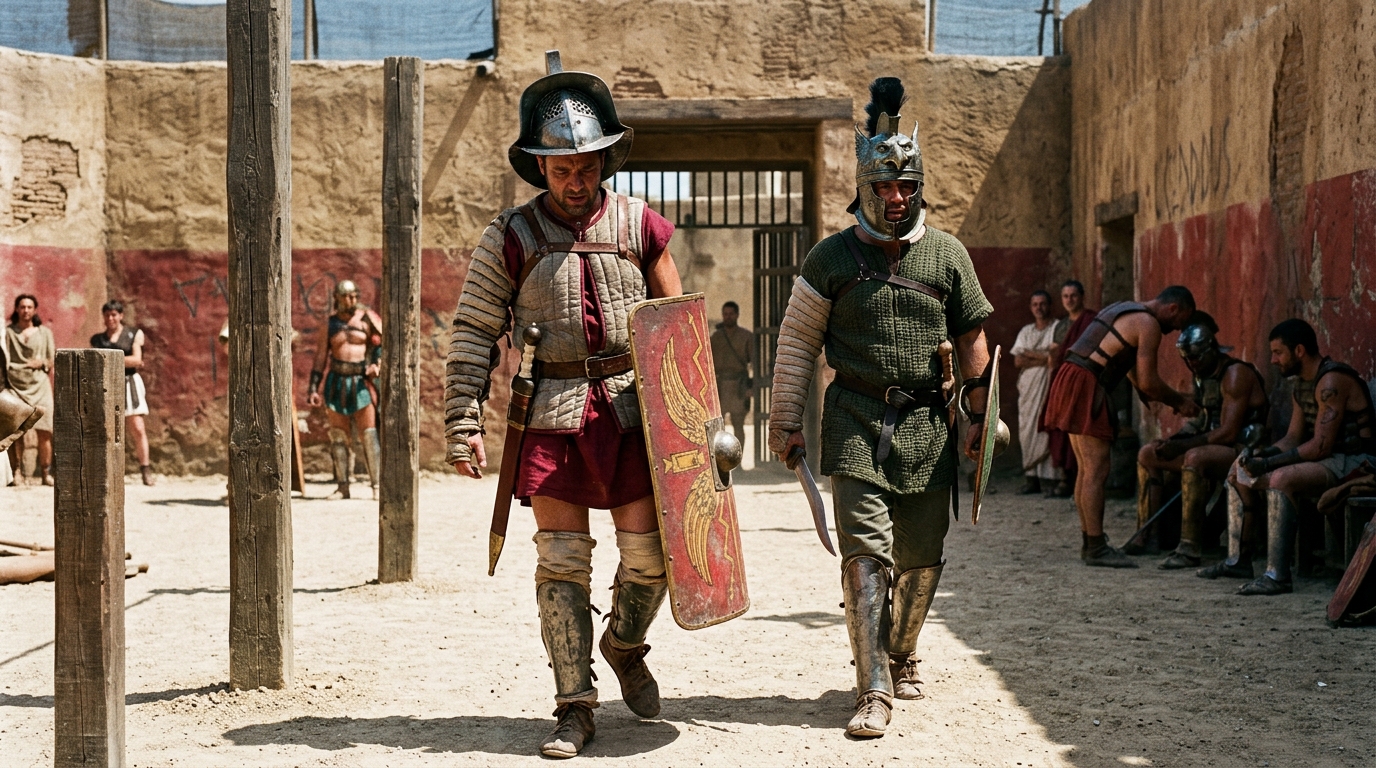
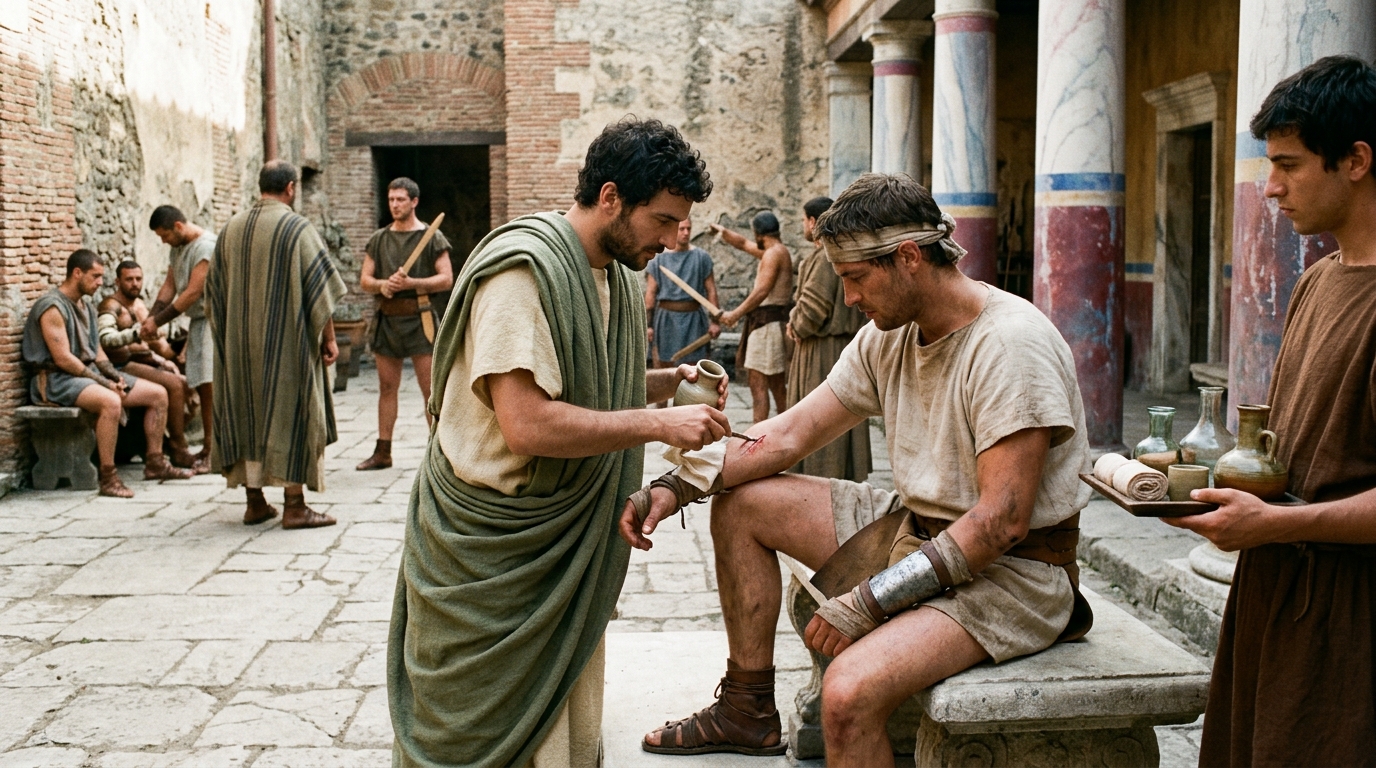
Born in 129 CE in Pergamon (modern-day Turkey), Galen became the most influential physician in history—for better and worse. His medical theories dominated European and Islamic medicine until the 16th century, roughly 1,400 years after his death. The son of a wealthy architect, Galen received the best education available, studying philosophy, mathematics, and medicine in Pergamon, Smyrna, and Alexandria. At age 28, he became physician to the gladiators of Pergamon, a position that gave him unparalleled experience with traumatic injuries and human anatomy.
Galen’s surgical skills were extraordinary. He reduced gladiator deaths from wounds by nearly 50% through innovative techniques like cleaning wounds with wine (an antiseptic practice), using silk sutures, and performing complex operations on damaged organs. In 162 CE, he moved to Rome and quickly became physician to three consecutive emperors: Marcus Aurelius, Commodus, and Septimius Severus. His demonstration of cutting a pig’s recumbent laryngeal nerve to prove it controlled vocalization amazed Roman audiences and established him as the empire’s preeminent medical authority.
Galen wrote over 600 medical texts, of which approximately 150 survive, making him one of antiquity’s most prolific authors. He correctly identified the brain—not the heart—as the organ of thought, described seven pairs of cranial nerves, and differentiated between venous and arterial blood. However, his prohibition from dissecting human cadavers led to significant errors. He based human anatomy on dissections of Barbary apes and pigs, incorrectly describing a five-lobed liver and theorizing that blood was continuously produced in the liver and consumed by tissues. These errors became medical gospel for over a millennium. When Andreas Vesalius finally corrected Galen’s anatomical mistakes in 1543, it sparked a medical revolution. Galen died around 210 CE, leaving a legacy so powerful that questioning his teachings was considered heresy for centuries.
Source: britannica.com
3. Herophilus: The Bold Anatomist Who Dissected Human Bodies

Around 300 BCE in Alexandria, Egypt, Herophilus did something unprecedented and shocking: he performed systematic dissections of human cadavers. At a time when most cultures considered this practice sacrilege, the Ptolemaic rulers of Alexandria permitted it for scientific advancement. Herophilus seized this rare opportunity and became the first physician to base his understanding of human anatomy on actual human bodies rather than animal dissections or speculation. This bold approach earned him the title “Father of Anatomy.”
Herophilus dissected an estimated 600 human bodies during his career, making discoveries that revolutionized medicine. He distinguished between sensory and motor nerves, correctly identifying the brain as the center of the nervous system. He described the optic nerve, traced neural pathways, and identified the cerebrum and cerebellum. His detailed examination of the eye included the first accurate description of the retina. Perhaps most remarkably, he discovered and named the duodenum (from the Greek word for “twelve,” as it measured twelve finger-widths long) and provided the first accurate description of the liver, pancreas, and salivary glands.
His cardiovascular discoveries were equally groundbreaking. Herophilus studied the heart’s ventricles and valves, recognizing their role in blood circulation. He was the first physician to distinguish between arteries and veins, noting that arteries had thicker walls and pulsed rhythmically. He developed a primitive method of measuring pulse rate using a water clock, establishing different pulse rhythms that could indicate various diseases. His public dissections attracted hundreds of spectators, making anatomy a spectator science in Alexandria.
Controversy surrounded Herophilus even in his lifetime. The Roman writer Celsus later claimed that Herophilus performed vivisections on condemned criminals, dissecting them alive to observe organ function. Whether true or false, this accusation contributed to Alexandria’s eventual ban on human dissection after 250 BCE. None of Herophilus’s original writings survive, but his discoveries, preserved through citations by later physicians, fundamentally changed how medicine understood the human body.
Source: britannica.com
4. Erasistratus: The Physician Who Nearly Discovered Blood Circulation

Working in Alexandria around 280 BCE, Erasistratus came remarkably close to discovering blood circulation—1,900 years before William Harvey’s definitive proof in 1628. Born on the Greek island of Ceos around 304 BCE, Erasistratus studied under Chrysippus and worked alongside Herophilus in Alexandria’s legendary medical school. Where Herophilus excelled at anatomical description, Erasistratus focused on physiological function, asking not just what organs looked like, but how they worked.
Erasistratus performed meticulous experiments on living animals, particularly focusing on the heart and blood vessels. He discovered the tricuspid and bicuspid valves of the heart, correctly deducing that they prevented backward blood flow. He traced arteries and veins throughout the body, noting that they branched into progressively smaller vessels. Through careful observation, he recognized that when an artery was cut, it bled—contradicting the prevailing theory that arteries normally contained only air (pneuma). He hypothesized that blood vessels formed an interconnected system, with the smallest vessels invisible to the naked eye. This came tantalizingly close to discovering capillaries, which wouldn’t be observed until the invention of the microscope in the 17th century.
His therapeutic approaches were equally revolutionary. Erasistratus rejected the popular theory of humoralism (which attributed disease to imbalances in four bodily fluids), instead attributing many diseases to plethora—excessive blood in the vessels. He pioneered bloodletting as a treatment, though modern medicine has since abandoned this practice. He advocated for exercise, diet modification, and hygiene over pharmaceutical interventions, believing that the body could often heal itself with proper support. His treatment for dropsy (edema) through dietary salt restriction remains medically sound today.
Erasistratus also made significant neurological discoveries, distinguishing between the cerebrum (which he associated with intellect) and the cerebellum (which he linked to movement). He noted that human brains had more convolutions than animal brains, correlating this with superior intelligence. He died around 250 BCE, but his physiological insights influenced medical thinking for centuries. Had he made the final conceptual leap to blood circulation, modern medicine might have arrived 2,000 years earlier.
Source: britannica.com
5. Diocles of Carystus: The Diagnostic Genius Hippocrates Called His Equal

Diocles of Carystus, working in Athens around 375 BCE, was so skilled that even Hippocrates reportedly acknowledged him as a worthy successor. Born in Carystus on the island of Euboea, Diocles became the first physician to write medical texts in Attic Greek rather than Ionic, making medical knowledge accessible to a broader audience. His comprehensive medical encyclopedia covered anatomy, pathology, surgery, and therapeutics, establishing him as the second most important physician of the classical Greek period after Hippocrates himself.
Diocles revolutionized diagnostic medicine by developing systematic examination techniques. He created one of the first comprehensive diagnostic frameworks, teaching physicians to examine patients through observation, palpation, and questioning. His text on diagnosis, written around 350 BCE, instructed doctors to observe patient color, breathing patterns, posture, and excretions. He pioneered the examination of urine, recognizing that its color, clarity, and odor could indicate specific diseases. His description of jaundice diagnosis through yellowed eyes and skin remained the standard method for over 2,000 years.
His anatomical work included the first detailed description of the womb and female reproductive anatomy. He wrote extensively on embryology, describing fetal development in stages and recommending specific diets for pregnant women. His gynecological advice—including the recommendation that pregnant women avoid alcohol and get moderate exercise—aligns remarkably well with modern obstetric practice. He also wrote the first known text on medical ethics for physicians, predating even the Hippocratic Oath’s widespread adoption.
Diocles invented several surgical instruments that remained in use for centuries, including a specialized spoon-like device called a “cyathiscomele” for extracting arrowheads from wounds. He developed improved techniques for treating fractures and dislocations, describing splinting methods that wouldn’t be significantly improved until the 19th century. His dietary recommendations emphasized moderation, seasonal eating, and the therapeutic properties of specific foods—concepts that modern nutritional science has largely validated. Though none of his original texts survive intact, over 200 fragments preserved by later authors reveal a physician whose diagnostic acumen and therapeutic wisdom were centuries ahead of his time.
Source: britannica.com
6. Praxagoras of Kos: The Physician Who Discovered the Pulse’s Diagnostic Power
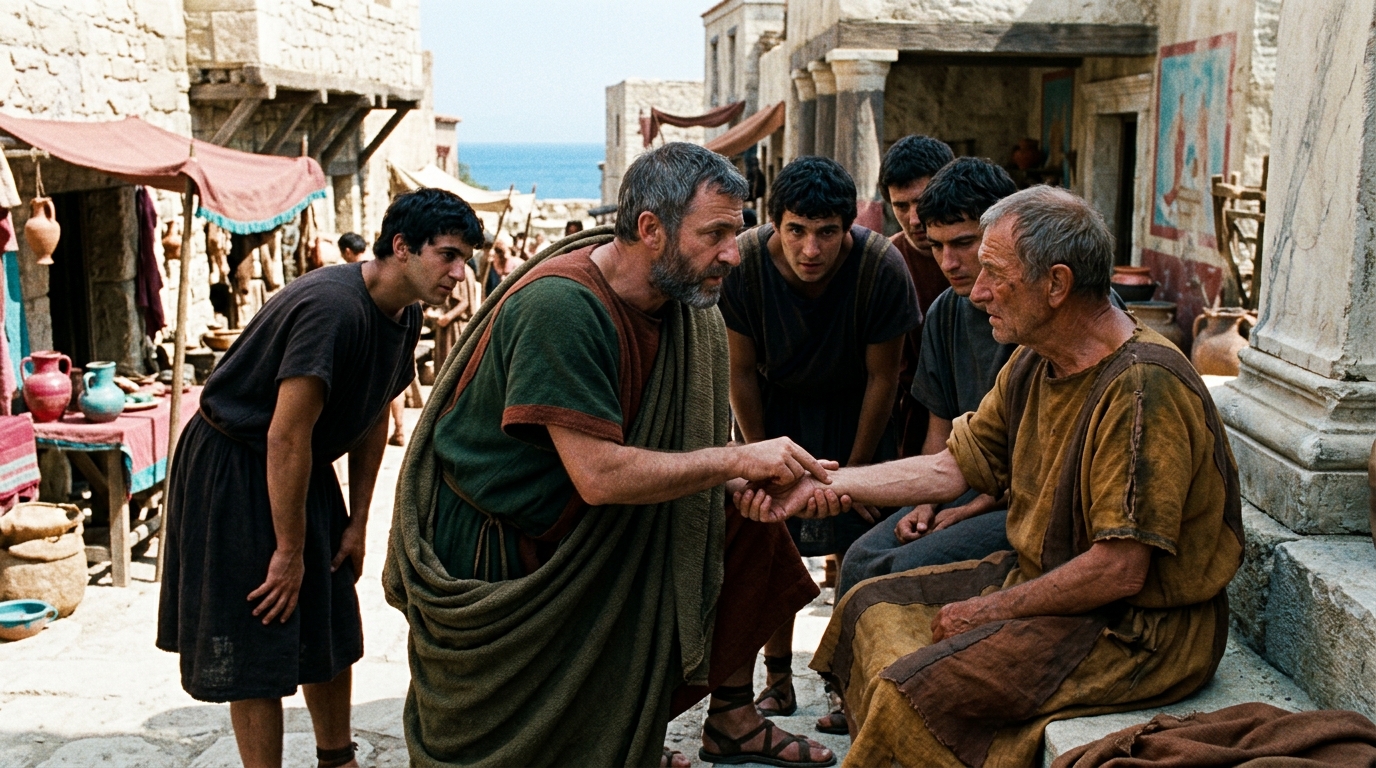
Working around 340 BCE on the island of Kos—the same island where Hippocrates had established his famous medical school—Praxagoras made a discovery that would revolutionize diagnosis: the pulse could reveal hidden diseases. Before Praxagoras, physicians occasionally noted the heartbeat, but none recognized the pulse’s diagnostic potential. Praxagoras changed medicine by demonstrating that different pulse patterns corresponded to different diseases, creating the first systematic pulse diagnosis that would influence medical practice for over 2,000 years.
Praxagoras distinguished between approximately 10 different pulse types, including variations in rhythm, strength, and frequency. He taught physicians to feel for the pulse at the wrist, noting that a rapid, weak pulse often indicated fever, while an irregular pulse suggested serious internal problems. His pulse diagnostics were so innovative that they were still being refined by Chinese and Islamic physicians a millennium later. He correctly identified that the pulse originated from the heart’s contractions, though he mistakenly believed that only arteries pulsed while veins remained static.
His anatomical work made crucial distinctions that advanced medical understanding. Praxagoras was the first physician to clearly differentiate between arteries and veins, naming them as separate structures with different functions. He believed arteries carried pneuma (vital spirit) from the heart to the body, while veins carried blood. Though incorrect about arterial contents, his structural distinction was fundamentally accurate. He traced the arterial system throughout the body, noting that arteries branched into progressively smaller vessels that eventually became nerves—a mistake, but one that demonstrated careful observational work.
Praxagoras pioneered abdominal surgery techniques, particularly for intestinal obstructions. He performed some of the earliest recorded bowel resections, cutting out diseased sections of intestine and suturing the healthy ends together. His surgical success rate was remarkable for the era, largely because he emphasized cleanliness and gentle tissue handling. He trained several notable students, including Herophilus, who would later revolutionize anatomy in Alexandria. Praxagoras died around 280 BCE, but his pulse diagnosis techniques were still being taught in European medical schools in the 18th century, making his practical contributions among the longest-lasting in medical history.
Source: britannica.com
7. Asclepiades of Bithynia: The Revolutionary Who Rejected Drugs for Gentle Therapy
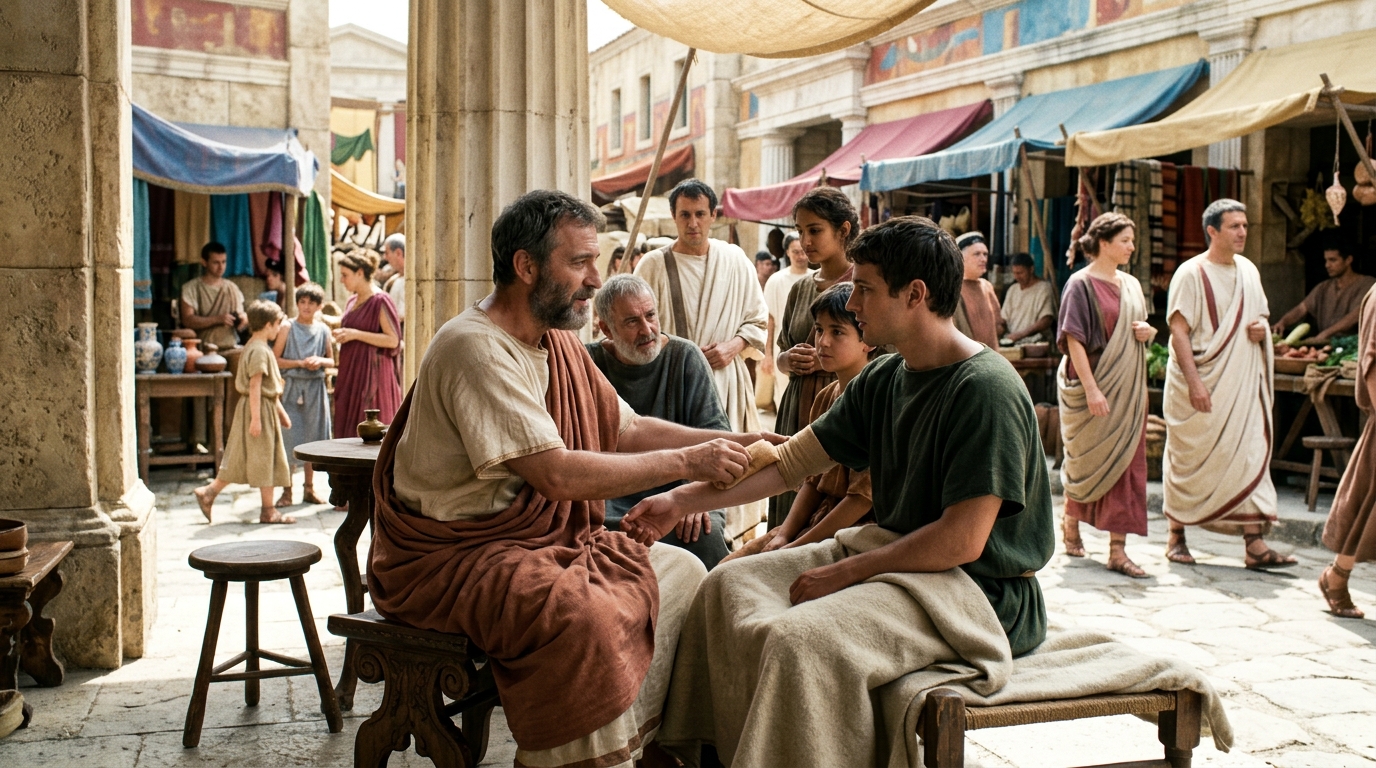
When Asclepiades arrived in Rome around 91 BCE, Roman medicine was dominated by harsh treatments: violent purges, bloodletting, and toxic drugs. Asclepiades revolutionized Roman medicine with a radical proposition: gentle treatments worked better than aggressive interventions. Born in Bithynia (modern Turkey) around 124 BCE, he initially studied rhetoric before turning to medicine, bringing an orator’s persuasive skills to medical practice. His charismatic personality and impressive cure rates made him Rome’s most fashionable physician, treating elite families and transforming Roman attitudes toward healthcare.
Asclepiades rejected the Hippocratic theory of four humors entirely, proposing instead that disease resulted from disrupted movement of atoms through invisible body pores. While his atomic theory was incorrect, his therapeutic approaches were remarkably effective. He prescribed exercise, massage, diet modification, and hydrotherapy rather than drugs. He pioneered the therapeutic use of wine for certain conditions, including as a treatment for fever—a practice that scandalized conservative physicians who insisted on water-only diets for fevered patients. His success rates vindicated his methods, and wealthy Romans lined up for his gentle treatments.
His psychiatric treatments were particularly innovative. Asclepiades treated mental illness as a medical condition rather than demonic possession, using music therapy, occupational therapy, and environmental modification. He designed one of the first humane asylums, with large windows, pleasant surroundings, and activities to engage patients’ minds. He opposed restraining mentally ill patients, arguing that kind treatment promoted recovery. He successfully treated cases of depression, psychosis, and what would now be called PTSD in war veterans, using talk therapy and lifestyle modification. These approaches wouldn’t be widely adopted again until the 20th century.
Asclepiades performed emergency tracheotomies to relieve suffocation, making him among the first physicians to routinely perform this life-saving procedure. He distinguished between acute and chronic diseases, developing different treatment protocols for each. His famous motto—”Tuto, celeriter, et jucunde curare” (to cure safely, swiftly, and pleasantly)—directly challenged medicine’s prevailing belief that effective treatment required suffering. He reportedly lived to age 90 and died around 40 BCE, having trained numerous students who spread his gentle therapeutic methods throughout the Roman Empire. His approach influenced medicine for centuries, proving that compassionate care could be more effective than violent interventions.
Source: britannica.com
8. Soranus of Ephesus: The Father of Gynecology Who Revolutionized Childbirth
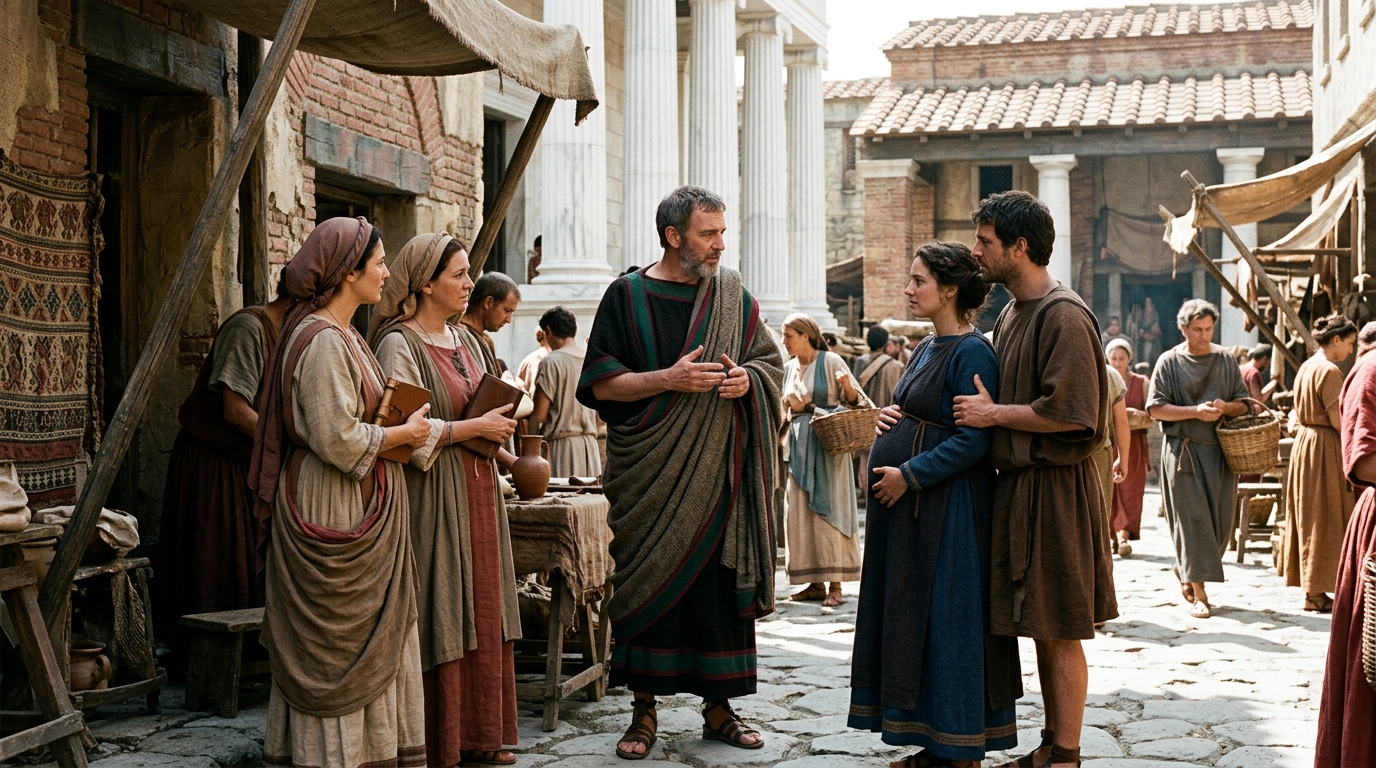
In the early 2nd century CE, most women died in childbirth or suffered horrific complications because male physicians rarely treated them and traditional midwives lacked anatomical knowledge. Soranus of Ephesus changed this by establishing gynecology and obstetrics as legitimate medical specialties. Born in Ephesus around 98 CE, Soranus studied in Alexandria before practicing in Rome under emperors Trajan and Hadrian. His comprehensive gynecological text, “Gynecology,” written around 120 CE, remained the authoritative source on women’s health for over 1,500 years.
Soranus’s “Gynecology” covered conception, pregnancy, childbirth, and women’s diseases with unprecedented detail and surprising accuracy. He described optimal positioning for delivery, techniques for managing difficult births, and methods for resuscitating apparently stillborn infants. He instructed midwives on recognizing complications like placenta previa and eclampsia, providing specific interventions for each. His criteria for selecting competent midwives included literacy, physical fitness, and emotional stability—revolutionary requirements that professionalized midwifery. He recommended that midwives maintain short fingernails, wash hands before examinations, and avoid wearing rings that could injure patients, anticipating modern sterile technique by 1,700 years.
His obstetric techniques saved countless lives. Soranus pioneered the podalic version, manually turning a fetus from dangerous positions into safer ones before delivery. He described cesarean sections in detail, though only recommended them when the mother had already died, as surgical survival was nearly impossible before anesthesia and antibiotics. He advocated for gentle extraction techniques rather than forceful pulling, reducing maternal injuries. His postpartum care instructions—including uterine massage to expel retained placenta and monitoring for hemorrhage—remain standard practice today.
Soranus took progressive stances on controversial issues. He opposed child marriage, arguing that pregnancy before full physical maturity endangered both mother and infant. He described contraceptive methods, including barrier devices and timing intercourse. He recognized that some women couldn’t or shouldn’t become mothers, supporting their right to avoid pregnancy. His pediatric care advice emphasized gentle handling of newborns, delayed bathing, and on-demand feeding rather than rigid schedules. He died around 138 CE, but his “Gynecology” was translated into Latin, Arabic, and other languages, training physicians in women’s healthcare across three continents for over a millennium. Modern obstetricians still recognize many of his techniques as fundamentally sound.
Source: britannica.com
9. Rufus of Ephesus: The Clinical Master Who Perfected Patient Examination
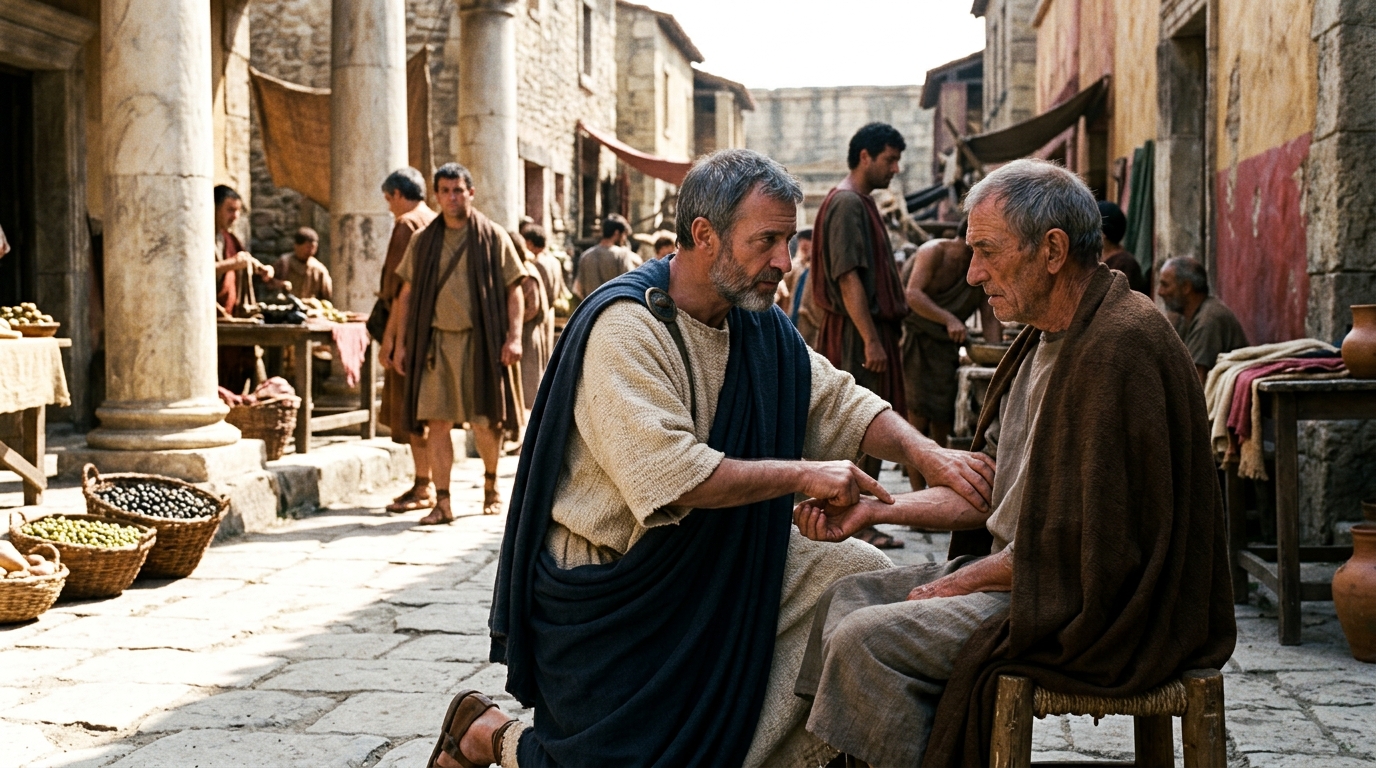
Working during the reign of Emperor Trajan (98-117 CE), Rufus of Ephesus transformed how physicians examined patients. Born in Ephesus around 70 CE, Rufus believed that careful observation and systematic examination revealed more than any theory. He developed comprehensive examination protocols that guided physicians through step-by-step patient assessments, establishing clinical medicine as a distinct discipline. His methods were so thorough that medieval Islamic physicians called him “the Hippocrates of his age.”
Rufus wrote approximately 100 medical texts covering nearly every aspect of medicine, though only fragments survive. His most influential work, “On the Interrogation of the Patient,” revolutionized diagnostic medicine. He taught physicians to begin with detailed patient interviews, asking about symptoms, lifestyle, occupation, and family history. He emphasized observing patients carefully, noting their color, breathing, posture, and movement. His examination sequence—inspection, palpation, questioning—became standard medical practice. He stressed the importance of bedside manner, advising physicians to project confidence while remaining humble, to explain treatments clearly, and to never promise certain cures.
His anatomical knowledge was exceptional, particularly regarding the nervous system. Rufus provided the first detailed description of the optic chiasm, where optic nerves cross in the brain. He accurately described the lens and cornea of the eye, explaining how they focused light. His neurological examinations tested sensory and motor function systematically, identifying stroke locations by patterns of paralysis. He wrote the first comprehensive text on melancholy (depression), describing symptoms, progression, and treatments that included diet, exercise, travel, and music therapy. His recognition that depression was a medical condition rather than character weakness was centuries ahead of his time.
Rufus pioneered clinical teaching methods that emphasized hands-on experience. He brought students to patients’ bedsides, demonstrating examination techniques and diagnostic reasoning. He encouraged students to question his conclusions and seek evidence rather than accepting authority. His writings on kidney and bladder diseases provided the most accurate descriptions of urinary anatomy before the Renaissance. He correctly identified the kidneys as urine producers and described how bladder stones formed. His surgical technique for lithotomy (bladder stone removal) became the standard procedure for over 1,000 years. Rufus died around 120 CE, leaving behind a legacy of clinical excellence that emphasized observation over speculation, patient care over theory, and evidence over tradition.
Source: britannica.com
10. Dioscorides: The Pharmacologist Whose Drug Guide Was Used for 1,600 Years
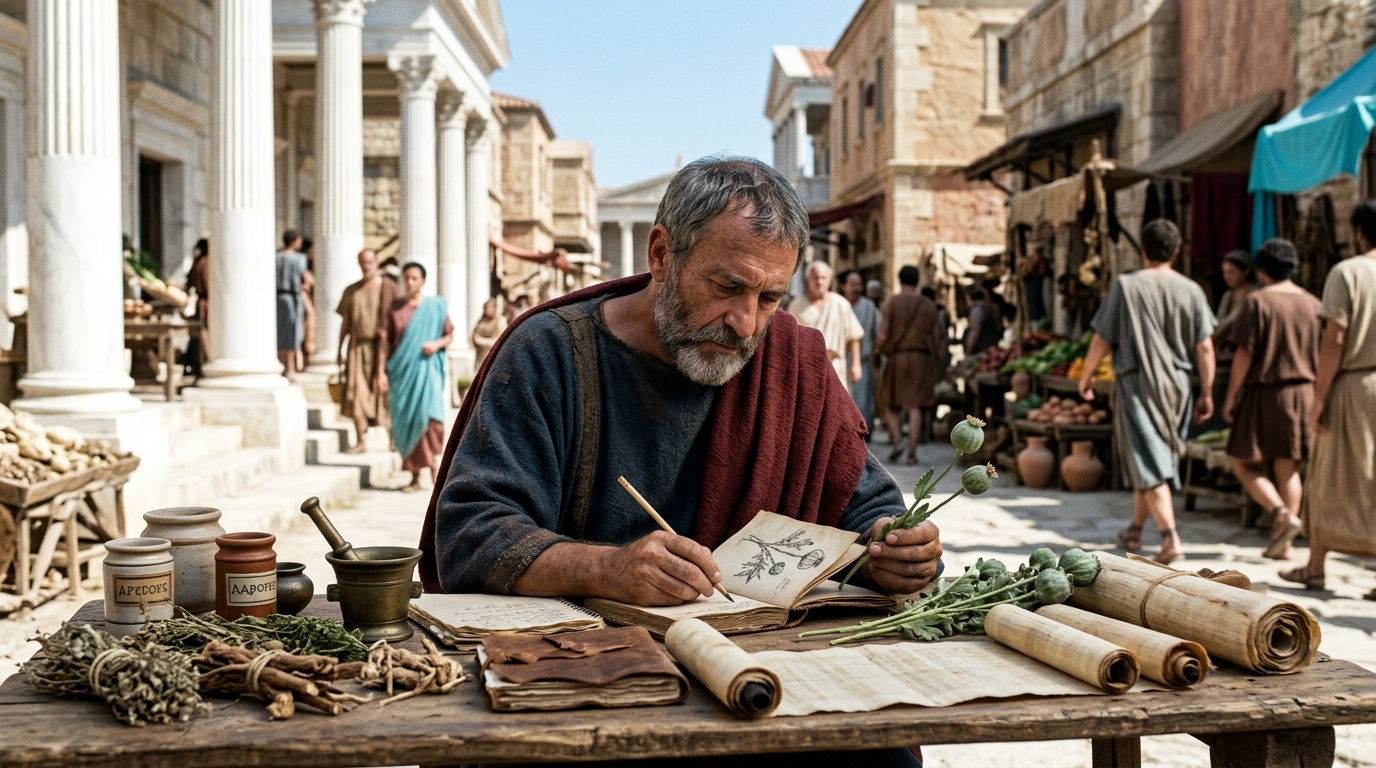
Between 50 and 70 CE, Pedanius Dioscorides compiled the most influential pharmacology text in history. His five-volume “De Materia Medica” (On Medical Materials) described approximately 600 plants, 90 minerals, and 30 animal products used as medicines, with detailed information on preparation, dosage, and effects. Born in Anazarbus (modern Turkey) around 40 CE, Dioscorides served as a physician in Nero’s Roman army, traveling throughout the empire collecting botanical specimens and documenting local medicinal practices. His systematic approach transformed pharmacology from folklore into scientific discipline.
“De Materia Medica” represented decades of direct observation and experimentation. Dioscorides personally tested plants when possible, noting their effects, side effects, and optimal applications. He organized remedies alphabetically rather than by medical condition, creating essentially the first drug reference guide. For each substance, he provided multiple names (Greek, Latin, and local languages), detailed botanical descriptions for identification, collection instructions, preparation methods, and specific medical uses. His entry for opium poppy, for instance, described harvesting techniques, dosage warnings, pain-relieving properties, and addiction risks—remarkably comprehensive information for the 1st century.
Dioscorides documented numerous plants still used in modern medicine. He described willow bark’s pain-relieving properties (the natural source of aspirin’s active ingredient), foxglove’s effects on the heart (later refined into digitalis for heart failure), and autumn crocus for gout (still used today as colchicine). He detailed proper dosing for powerful substances like mandrake, hemlock, and henbane, likely saving countless lives by preventing poisoning. His descriptions of medical cannabis included specific preparations for different conditions, demonstrating sophisticated understanding of dosage and delivery methods. He was the first to describe St. John’s wort for wound healing and mood disorders, anticipating its modern use as an antidepressant by 2,000 years.
The impact of “De Materia Medica” cannot be overstated. It was translated into Latin, Arabic, Persian, and numerous other languages, becoming the primary pharmacological reference from the 1st to the 17th century. Over 1,000 manuscript copies survive, more than any other ancient scientific text except Euclid’s “Elements.” Physicians, apothecaries, and herbalists across three continents relied on it for drug information. The text remained an official pharmacological reference in some European countries until the 1800s, making it useful for over 1,600 years. Dioscorides died around 90 CE, but his systematic documentation of medicinal substances established pharmacology as a scientific discipline and provided the foundation for modern pharmaceutical science.
Source: britannica.com
11. Aretaeus of Cappadocia: The Disease Detective Who First Described Diabetes
Working in Rome during the 2nd century CE, Aretaeus of Cappadocia possessed a rare gift: he could describe diseases so vividly that physicians 2,000 years later immediately recognize the conditions he documented. Born in Cappadocia (central Turkey) around 120 CE, Aretaeus combined Hippocratic observation with his own clinical experience to produce some of the most accurate disease descriptions in ancient medicine. His detailed case studies read like modern medical textbooks, complete with symptoms, progression, and outcomes.
Aretaeus provided the first comprehensive description of diabetes mellitus, a disease he named from the Greek word meaning “to pass through,” referring to excessive urination. He documented the key symptoms: excessive thirst, frequent urination, weight loss despite increased appetite, and sweet-smelling urine. He noted that diabetes was “a melting down of flesh and limbs into urine,” accurately observing the body’s breakdown of muscle and fat. His description of diabetic progression—from mild symptoms to severe wasting and eventual death—remained the definitive account until insulin’s discovery in 1921. He recognized that diabetes affected both children and adults, though he didn’t distinguish between Type 1 and Type 2 diabetes, a differentiation not made until the 20th century.
His neurological descriptions were equally remarkable. Aretaeus provided the first accurate account of migraines, describing the unilateral headache, nausea, visual disturbances, and sensitivity to light that characterize the condition. He documented epilepsy in detail, distinguishing between different seizure types and noting that some patients experienced warning symptoms before attacks. His description of what he called “paralysis of the side” perfectly captured stroke symptoms, including sudden onset, one-sided weakness, speech difficulties, and facial drooping. He recognized that paralysis typically affected the opposite side from the brain injury, demonstrating sophisticated neurological understanding.
Aretaeus’s psychiatric observations showed unusual empathy and insight. He described mania and depression as related conditions, possibly the same disease at different stages—a remarkably early recognition of bipolar disorder. He noted that manic patients experienced decreased need for sleep, rapid speech, and grandiose thoughts, while depressed patients showed the opposite pattern. His description of dementia documented memory loss, personality changes, and declining cognitive function. He advocated humane treatment for mentally ill patients, opposing physical restraints and harsh punishments. His therapeutic recommendations emphasized gentle care, environmental modification, and maintaining patient dignity. Aretaeus died around 180 CE, but his disease descriptions proved so accurate that 19th-century physicians used his texts to confirm diagnoses, making his clinical observations useful for over 1,700 years.
Source: britannica.com
12. Aulus Cornelius Celsus: The Roman Who Preserved Greek Medical Wisdom
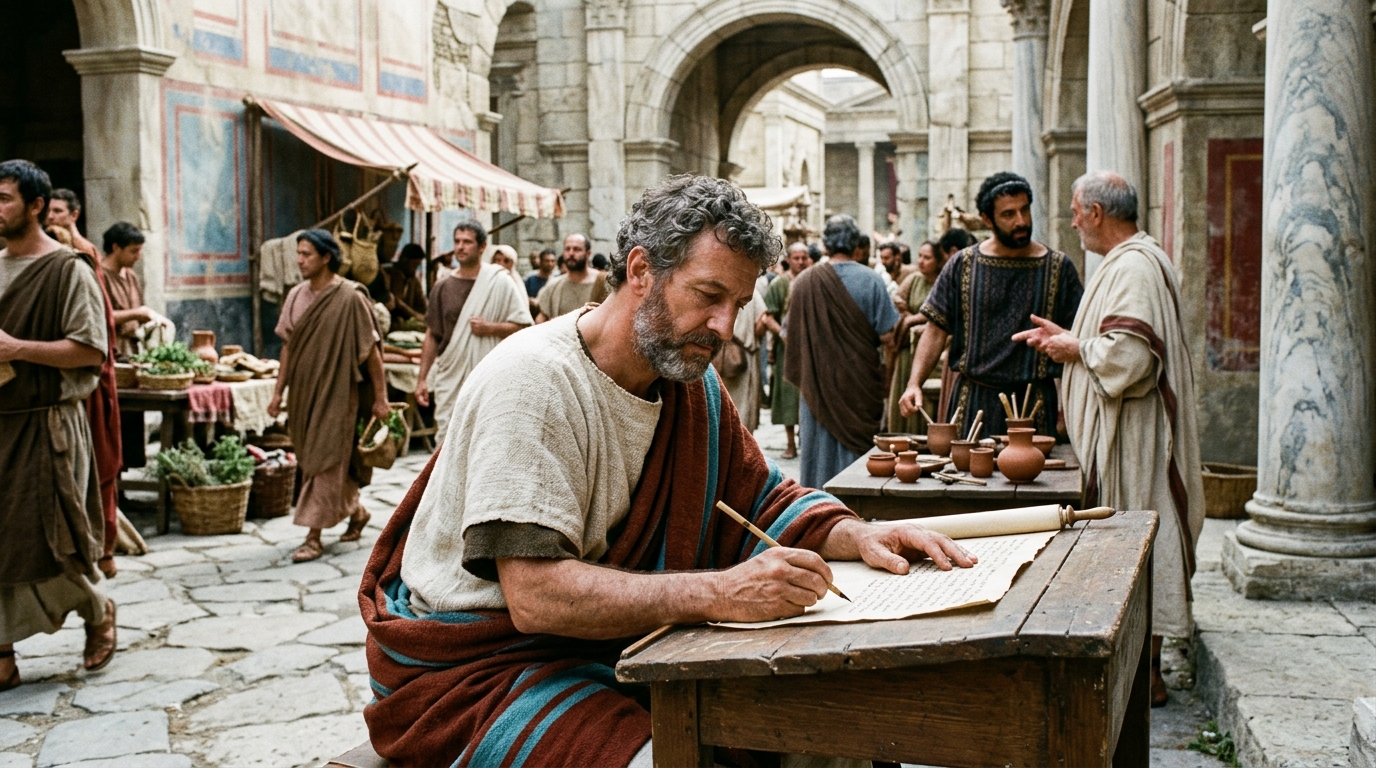
Aulus Cornelius Celsus wasn’t Greek by birth—he was a Roman encyclopedist writing around 30 CE—but his monumental work preserved Greek medical knowledge that might otherwise have been lost forever. Born into a wealthy Roman family around 25 BCE, Celsus compiled an encyclopedia covering agriculture, military science, rhetoric, philosophy, law, and medicine. Only his eight-volume medical encyclopedia, “De Medicina” (On Medicine), survives, but this work became one of the most influential medical texts in history, earning him the title “the Latin Hippocrates.”
“De Medicina” synthesized Greek medical knowledge into clear Latin prose, making advanced medical concepts accessible to Roman physicians and educated laypeople. Celsus organized the work logically: Books 1-4 covered internal medicine and therapeutics, Books 5-6 addressed pharmacology, and Books 7-8 detailed surgery. His writing style was so clear and elegant that Renaissance humanists used his Latin as a linguistic model. The text provided comprehensive coverage of diseases, symptoms, prognoses, and treatments, drawing primarily from Hippocratic and Alexandrian sources. His descriptions of surgical procedures were so detailed that medieval surgeons could perform operations by following his instructions step-by-step.
Celsus documented surgical techniques that wouldn’t be significantly improved for over 1,000 years. He described cataract surgery, lithotomy (bladder stone removal), tonsillectomy, and various plastic surgery procedures including skin grafts. His account of cataract couching—using a needle to displace the clouded lens—remained the standard treatment until the 18th century. He provided the first comprehensive description of ligating blood vessels to control bleeding, a technique crucial for surgical success. His instructions for removing arrows and weapons from wounds included specific techniques for different wound types and locations. He pioneered the use of sutures for internal wounds, describing materials, techniques, and when to use them.
His definition of inflammation’s four cardinal signs—redness (rubor), heat (calor), swelling (tumor), and pain (dolor)—is still taught in every medical school today. Celsus recognized that inflammation was part of the healing process, though excessive inflammation could damage tissue. His description of wound healing stages, from initial injury through granulation to scar formation, demonstrated sophisticated understanding of tissue repair. He recommended cleaning wounds with wine or vinegar, unknowingly using antiseptic substances centuries before germ theory.
“De Medicina” was lost for over 1,000 years until Pope Nicholas V rediscovered the manuscript in 1443. It became one of the first medical texts printed (1478), going through over 100 editions by 1600. The text profoundly influenced Renaissance medicine, reintroducing Greek surgical techniques and rational therapeutics. Celsus died around 50 CE, but his preservation of Greek medical knowledge helped bridge the gap between ancient and modern medicine, ensuring that centuries of accumulated wisdom survived into the modern era.
Source: britannica.com
13. Antyllus: The Surgical Pioneer Who Mastered Vascular Surgery
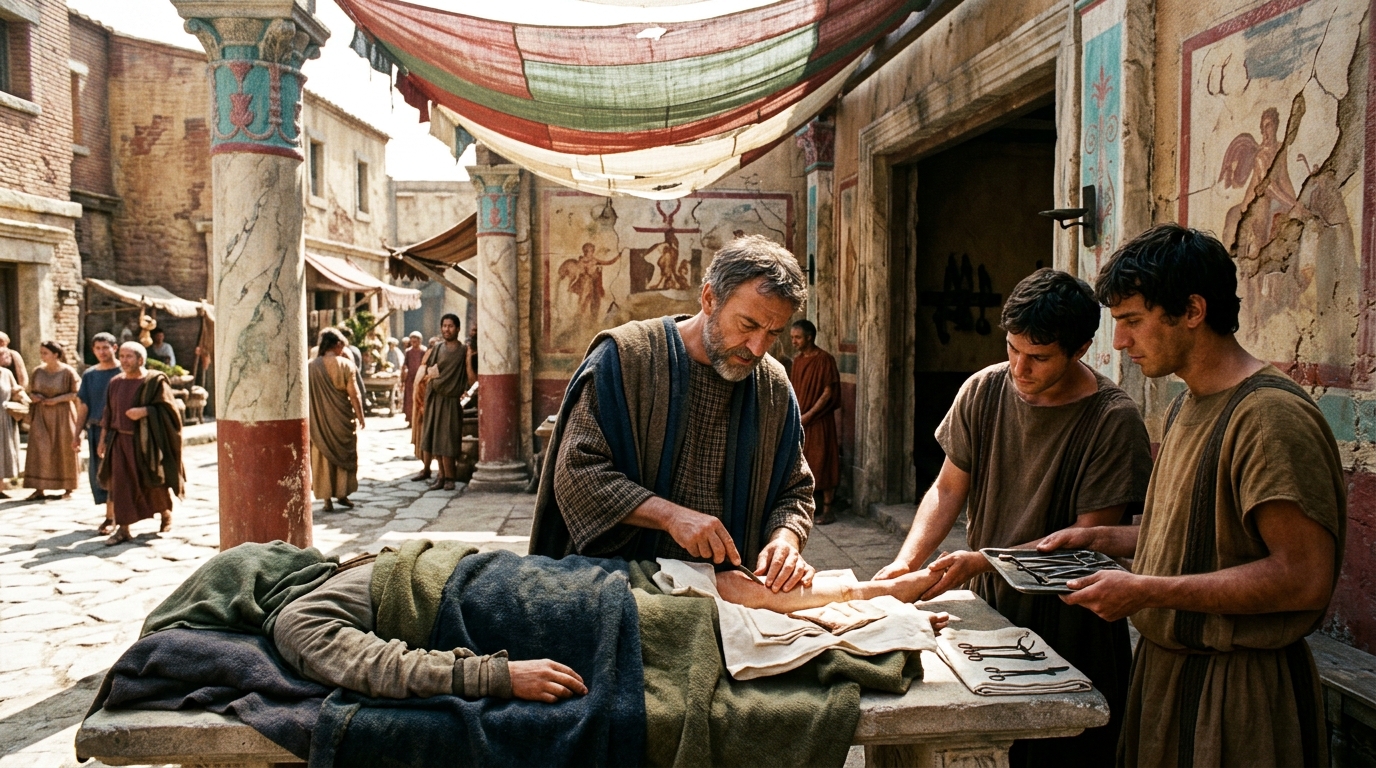
In 2nd-century CE Rome, Antyllus performed surgical procedures so advanced that some weren’t successfully replicated until the 19th century. Working around 150-180 CE, this Greek physician practicing in Rome pioneered vascular surgery techniques, specializing in procedures involving blood vessels. While many contemporary physicians avoided cutting major vessels due to hemorrhage risks, Antyllus developed innovative methods for safely operating on arteries and veins, establishing surgical techniques that saved countless lives.
Antyllus’s most remarkable innovation was his procedure for treating aneurysms—dangerous bulges in arterial walls that could rupture and cause fatal bleeding. He developed a two-step ligation technique: he tied off the artery above and below the aneurysm with strong ligatures, then made an incision to release the pooled blood and remove the damaged arterial section. This prevented both excessive bleeding during surgery and post-operative hemorrhage. His aneurysm surgery technique was so effective that it remained the standard treatment for over 1,600 years. When Ambroise Paré, the famous 16th-century French surgeon, revived aneurysm surgery after centuries of neglect, he essentially followed Antyllus’s original method.
Antyllus pioneered the treatment of varicose veins through surgical excision. He developed a technique involving multiple small incisions along the affected vein, through which he removed the damaged vessel segment by segment using specialized hooks of his own design. His approach minimized scarring and reduced complications compared to single large incisions. He recognized that varicose veins resulted from venous valve failure, demonstrating sophisticated understanding of vascular physiology. His varicose vein surgery remained the gold standard until the 20th century, when less invasive techniques were developed.
His surgical instruments showed remarkable ingenuity. Antyllus designed specialized hooks for grasping blood vessels, probes for exploring wounds, and ligature needles for threading sutures around vessels. He invented a tonsillectomy snare that could remove tonsils with minimal bleeding, a device still recognizable in modern surgical instruments. His detailed descriptions of instrument design allowed medieval craftsmen to recreate his tools, ensuring his surgical techniques could be replicated.
Antyllus wrote extensively on surgical technique, emphasizing proper patient positioning, lighting, and assistant coordination. He stressed the importance of surgical speed to minimize patient suffering (in the pre-anesthesia era), yet warned against sacrificing thoroughness for speed. His writings on eye surgery described pterygium removal, trichiasis correction (inward-growing eyelashes), and techniques for treating various corneal conditions. He advocated for conservative treatment when possible, performing surgery only when necessary. None of Antyllus’s original works survive, but his surgical methods, preserved through extensive quotations by later physicians like Oribasius and Aëtius, influenced surgical practice for nearly two millennia. His vascular surgery techniques represented a peak in ancient surgical achievement that wouldn’t be surpassed until the modern era.
Source: britannica.com
14. Archigenes of Apamea: The Pain Specialist Who Mapped the Pulse
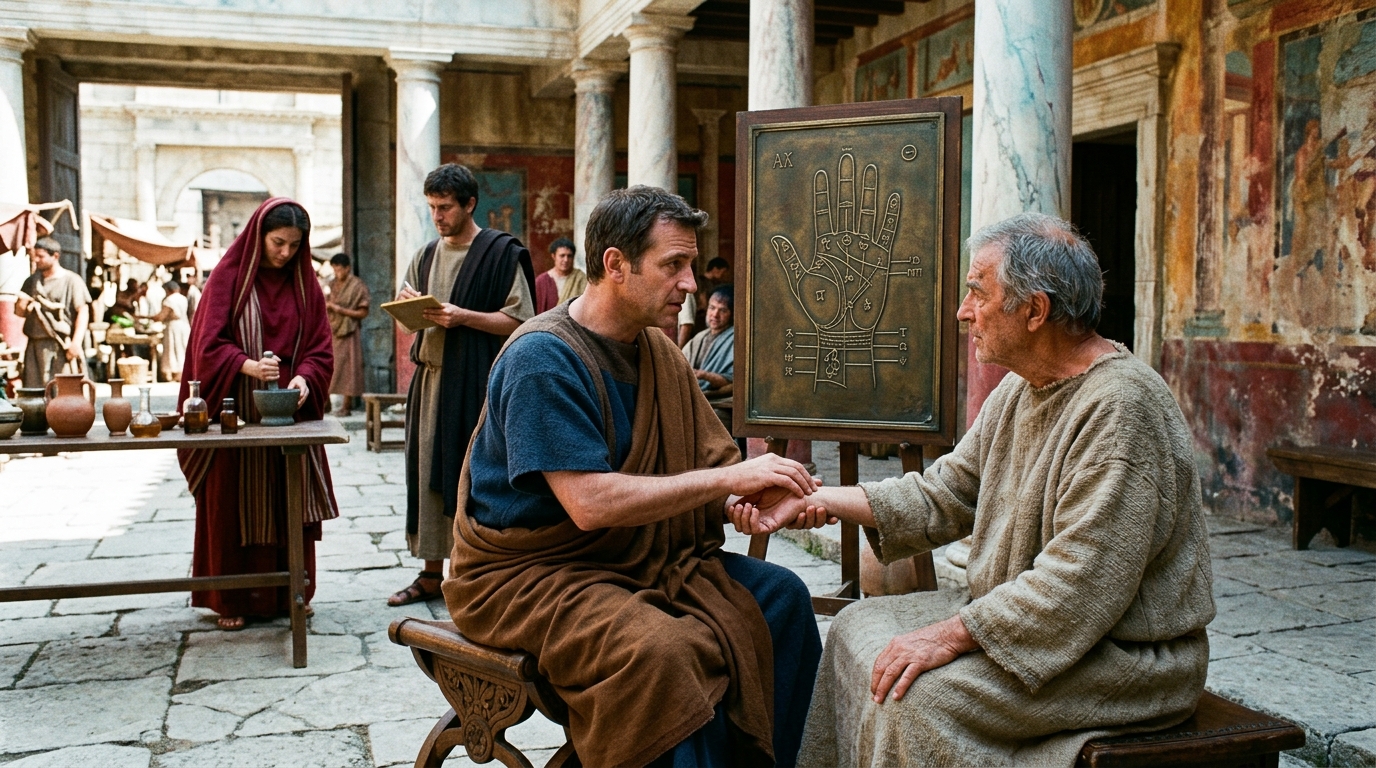
In the late 1st and early 2nd centuries CE, Archigenes of Apamea revolutionized two crucial areas of medicine: pain management and pulse diagnosis. Born in Apamea, Syria around 54 CE, Archigenes studied in Alexandria before establishing a highly successful practice in Rome during Trajan’s reign (98-117 CE). He became renowned for treating chronic pain conditions that other physicians had declared incurable, developing therapeutic approaches that combined medication, surgery, and physical therapy.
Archigenes created the most comprehensive pain classification system in ancient medicine, categorizing pain into approximately 10 distinct types based on quality, intensity, and pattern. He distinguished between sharp, dull, throbbing, burning, boring, stabbing, and tearing pain, recognizing that different pain types indicated different underlying conditions. His pain descriptions were so precise that patients could clearly communicate their symptoms, enabling more accurate diagnoses. He developed specific treatments for each pain type, matching therapeutic approaches to pain characteristics. For sharp, stabbing pain suggesting nerve involvement, he prescribed medications containing opium derivatives and mandragora. For dull, aching pain indicating muscle problems, he recommended heat, massage, and gentle exercise.
His surgical pain management techniques were particularly innovative. Archigenes performed some of the first documented nerve-blocking procedures, cutting sensory nerves to relieve chronic pain when conservative treatments failed. He developed a surgical procedure for relieving sciatic nerve pain by releasing compressed nerves, a precursor to modern nerve decompression surgery. His description of phantom limb pain in amputees—the sensation of pain in a missing limb—was the first known account of this mysterious phenomenon. He recognized that pain could persist even after the damaged body part was removed, suggesting that pain involved the brain as well as injured tissues.
Archigenes expanded Praxagoras’s pulse diagnosis into a sophisticated diagnostic system. He identified approximately eight major pulse variations, noting differences in rate, rhythm, strength, and quality. He taught physicians to assess pulse tension (how easily the artery compressed), pulse volume (how much the artery expanded with each beat), and pulse regularity. He correlated specific pulse patterns with particular diseases: rapid, weak pulses indicated fever; irregular pulses suggested heart problems; and bounding pulses often accompanied inflammation. His pulse diagnostics became standard practice in Greek, Roman, and later Islamic medicine.
His pharmacological expertise led to innovative drug preparations. Archigenes developed a popular theriac (antidote compound) containing over 60 ingredients, which was used throughout the Roman Empire as a universal antidote for poisoning and a general health tonic. He pioneered polypharmacy—using multiple drugs in combination—to treat complex conditions, though he cautioned against indiscriminate mixing of medications. His writings on gout provided detailed descriptions of the disease’s progression and recommended dietary modifications, including limiting alcohol and rich foods, that remain valid today. Archigenes died around 117 CE, but his pain classification system and pulse diagnostics influenced medical practice for over 1,500 years, helping countless physicians diagnose and treat suffering patients more effectively.
Source: britannica.com
15. Oribasius of Pergamon: The Medical Librarian Who Saved Ancient Wisdom
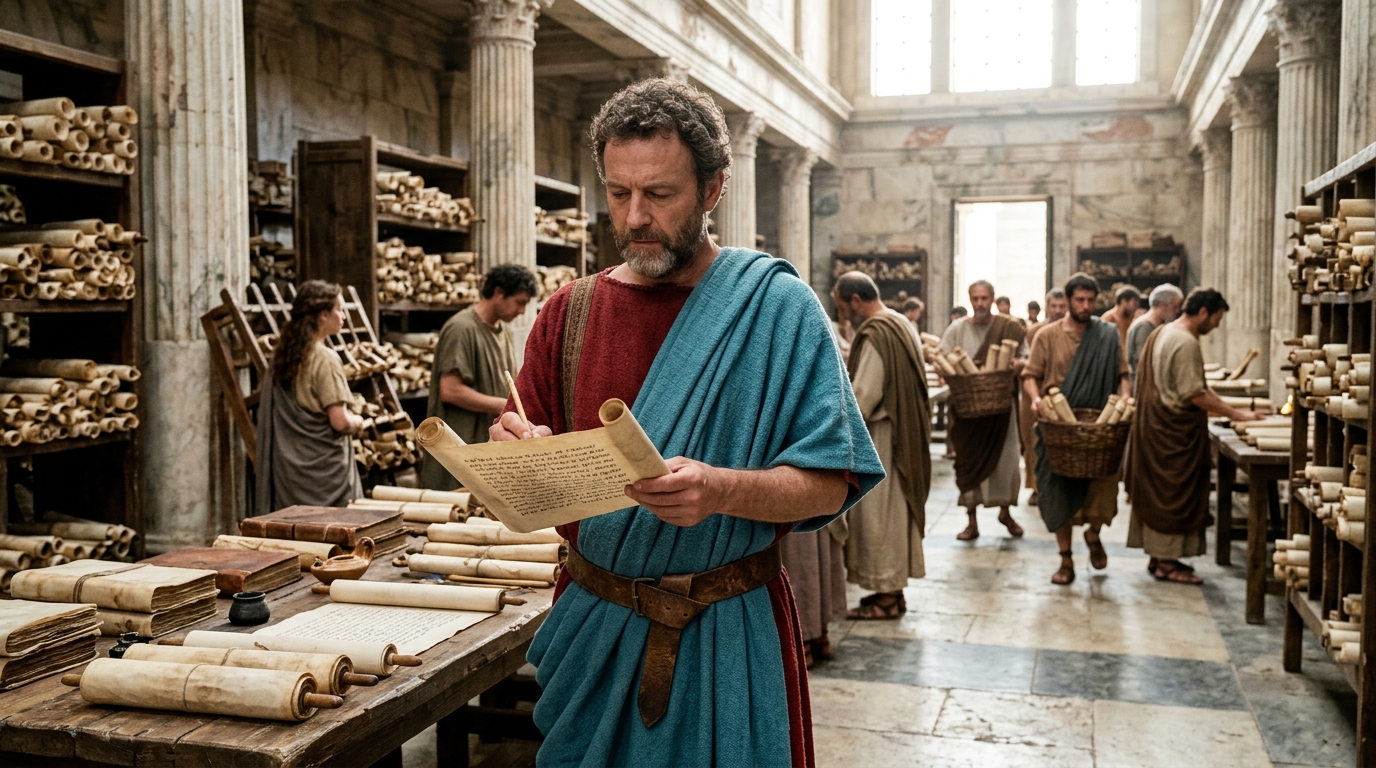
In the 4th century CE, as the Roman Empire fragmented and classical learning faced extinction, one physician undertook an extraordinary mission: to preserve all accumulated Greek medical knowledge before it disappeared forever. Oribasius of Pergamon, born around 320 CE, became personal physician to Emperor Julian (361-363 CE) and used his imperial connections to access medical libraries throughout the empire. At Julian’s request, he compiled a massive 70-volume medical encyclopedia, the “Synagogae Medicae” (Medical Collections), that preserved texts from over 50 earlier physicians, many of whose original works are now lost.
Oribasius’s encyclopedia represented the culmination of nearly 1,000 years of Greek medical knowledge. He carefully excerpted and organized texts from Hippocrates, Galen, Diocles, Rufus, Soranus, Antyllus, Archigenes, and dozens of others, preserving their precise words rather than paraphrasing. This meticulous approach meant that even when original texts were destroyed in library fires, invasions, or simple neglect, their content survived through Oribasius’s quotations. Modern scholars have reconstructed entire lost medical texts from his encyclopedia. His work essentially functioned as a time capsule, transmitting ancient medical wisdom across the chaotic centuries between Rome’s fall and the Renaissance.
The “Synagogae Medicae” covered every medical specialty: internal medicine, surgery, pharmacology, gynecology, pediatrics, ophthalmology, and psychiatry. Oribasius organized material logically by topic, allowing physicians to quickly find information on specific conditions or treatments. He included practical sections on diet, exercise, bathing, and hygiene, recognizing that preventive medicine was as important as treating disease. His pharmaceutical sections preserved formulas for hundreds of drug preparations, including dosages, preparation methods, and specific applications. He documented surgical procedures with step-by-step instructions, preserving techniques that might otherwise have been forgotten.
Oribasius also compiled shorter, more practical medical handbooks. His “Synopsis for Eunapius” condensed the 70-volume encyclopedia into nine volumes for everyday use. His “Euporista” (Easy Remedies) provided simple treatments using readily available ingredients, designed for people without access to trained physicians. This democratic approach—making medical knowledge accessible beyond elite circles—was revolutionary for the 4th century. His sections on military medicine, wound treatment, and epidemic disease management proved especially valuable during the frequent wars and plagues of late antiquity.
Oribasius served as physician during Julian’s Persian campaign in 363 CE, unsuccessfully treating the emperor’s fatal wound after a battle. Following Julian’s death, Oribasius was briefly exiled for his pagan associations but was eventually recalled and continued practicing medicine until his death around 400 CE. His encyclopedias were translated into Latin, Arabic, and Syriac, becoming crucial references for Byzantine, Islamic, and medieval European physicians. The “Synagogae Medicae” preserved the surgical techniques of Antyllus, the gynecological methods of Soranus, and countless other innovations that would have otherwise vanished. By dedicating his life to medical scholarship rather than original research, Oribasius ensured that Greek medicine’s accumulated wisdom survived into the modern era, making him arguably the most important medical librarian in history.
Source: britannica.com
Final Thoughts
These 15 Greek physicians transformed medicine from mystical ritual into rational science over a span of nearly eight centuries. From Hippocrates’s revolutionary insistence on natural causes around 400 BCE to Oribasius’s encyclopedic preservation efforts in 400 CE, they established principles that continue guiding medical practice today: observe carefully, document thoroughly, treat gently, and always prioritize patient welfare. Their innovations—from the Hippocratic Oath to pulse diagnosis, from anatomical dissection to surgical techniques, from pharmacological documentation to disease classification—created the foundation upon which all modern medicine stands. When you visit a doctor who takes your pulse, asks about your symptoms, and prescribes evidence-based treatments, you’re experiencing the direct legacy of these ancient Greek physicians. Their commitment to rational inquiry, empirical observation, and compassionate care proved that medicine could be both scientific and humane, a lesson that remains as vital today as it was 2,400 years ago. The next time you benefit from medical care, remember that you’re connected to an unbroken tradition stretching back to Hippocrates walking the sun-drenched shores of Kos, observing patients and documenting what he saw—not what tradition demanded he believe.